Choosing between incontinence pads and incontinence pants feels overwhelming when you’re standing in the aisle trying to figure out what actually works for your daily life.
The truth is, both products offer protection, but they work differently depending on your type of urinary incontinence and how active you are throughout the day.
In general, we suggest pads for light to moderate leaks and pants for heavy or overnight protection. But the right choice isn’t always one product, and that’s why at Ontex Healthcare, we help Australians find what truly works for managing incontinence in their unique situation.
And in this article, we’ll share practical insights to simplify your decision. Here’s what we’ll cover:
- How pads and pull-ups differ in protection and absorbency
- Which product matches your specific leak patterns
- Real comfort differences you’ll notice
- Cost comparisons over time
- When pants beat pads for reliable protection
Read on to find what works best for your life.
What’s the Difference Between Incontinence Pants and Pads?
Incontinence pads fit inside regular underwear, while pull-ups replace your underwear completely with built-in absorbent protection throughout the entire garment. This basic difference changes how each product handles leak protection and fits against your body.
Let’s break down how each one works.
How Incontinence Pads Work with Regular Underwear
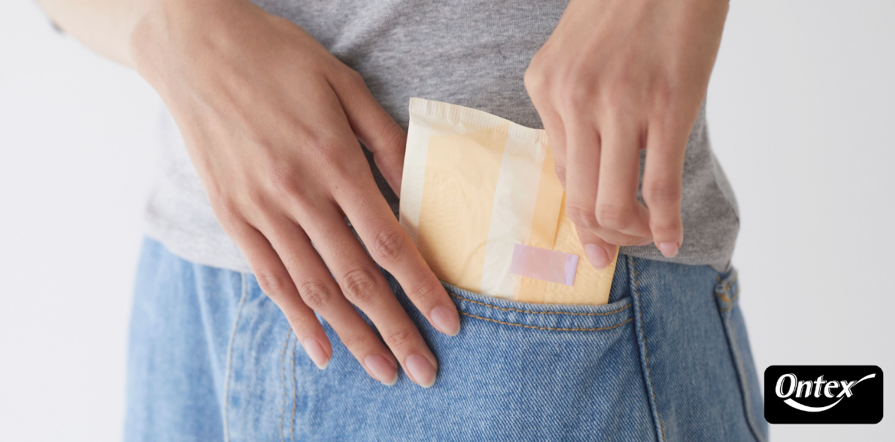
Incontinence pads attach to your regular underwear using adhesive strips that hold them securely in place. They sit directly where you need protection, absorbing urine from the front area while your normal underwear keeps them positioned correctly.
Based on our experience, these pads work well for light to moderate leaks when you want the familiar feel of your own underwear underneath. After all, we’ve all got that favourite pair we’d rather keep wearing.
Why Pull-Ups Offer Different Coverage Than Pads
Pull-ups wrap absorbent material around your entire lower body instead of just the front area. So what does this actually mean for you? Well, the absorbent core extends from front to back, which catches leaks from any direction your body might release urine.
Plus, you don’t need separate underwear since the pants replace them completely, which gives you 360-degree protection.
Protection Levels You Get from Each
How much liquid can each product handle before you need to change it? That depends on what level of absorbency you’re dealing with.
Pads manage light dribbles to moderate leaks, depending on the thickness you choose. Meanwhile, pull-ups absorb moderate to heavy amounts of urine with higher absorbency throughout the garment. This means pants provide better security when you experience unpredictable or larger bladder releases during the day.
See also: Medical Technology Innovations
Which One Suits Your Type of Urinary Incontinence?
In our experience, light leaks need pads, while moderate to heavy incontinence works better with pull-ups for full coverage. Think about it this way: matching the product to your specific leak pattern means fewer accidents, less stress, and staying comfortable throughout your day.
We’ve seen people often choose based on absorbency levels rather than their actual needs and then end up with products that don’t quite work right. But you can find your perfect match if you focus on your typical leak situations:
- Light Stress Leaks: Light stress incontinence from coughing or sneezing works well with thin, discreet pads that handle small amounts of urine without bulk.
- Sudden Urge Moments: When your bladder sends those urgent signals, moderate leaks from urge incontinence need thicker pads or lighter pull-ups for confidence. That way, you’re covered when nature calls unexpectedly.
- Heavy Bladder Releases: Sometimes your bladder empties completely without warning. That’s when pull-ups with high absorbency give you all-day protection.
- Night-time Security: Overnight protection almost always needs pull-ups since they stay put against your body while you toss and turn during the night.
- Active Living: If you’re someone who exercises or moves around a lot, pull-ups prevent the shifting that happens with pads during physical activities.
Now that you know which product suits your leak level, let’s look at how each one actually feels throughout your day.
Comfort Throughout Your Day: What Actually Changes
The best part about choosing the right product is that you’ll forget you’re even wearing protection. That confidence lets you focus on life instead of constantly checking for leaks.

Three comfort factors count most:
1. Discretion Under Clothing
Discretion depends on how flat the product sits against your body under everyday clothes. Pads sit flatter, making them invisible under fitted clothing styles without creating visible lines. On the other hand, pull-ups can create slight bulk around the hips depending on the absorbency level you need.
Still, modern pull-ups look like regular underwear, so no one knows what you’re wearing underneath. Just make sure to choose styles that fit your body properly for the best results.
2. Movement and Activity Freedom
Have you ever felt your pad shift during a walk or while bending down to pick something up? Yeah, that’s a common frustration for most of us. Pads can shift during exercise or bending, leaving gaps where leaks escape through.
However, pull-ups move with your body, staying secure during walking, running, or physical activities. The elastic waistband on pants keeps everything in place without readjusting throughout the day.
3. How Easy They Are to Change
Changing speed differs quite a bit between peeling off a pad and pulling down pull-ups.
When you’re using pads, they take seconds to peel off and replace without removing your regular underwear completely. But in the case of pull-ups, it’s a different story. They require you to pull your pants down like normal underwear for changes.
Bottom Line: If you’re heading out somewhere, pads offer quicker bathroom changes than pants do.
Cost Reality: What You’ll Spend
Your wallet feels the pinch when you’re buying incontinence products every single week for daily use. That’s why understanding the cost differences is essential before you make your next purchase.
Based on our market research, pads cost less per unit, which makes them budget-friendly if you’re changing multiple times daily. Compared to pads, pull-ups cost more per piece. But you might use fewer if they handle heavier leaks without needing frequent changes.
The actual savings depend on your leak frequency, absorbency needs, and how often you change. So track your usage for a week to see which product saves you money over time.
Pro Tip: Keep an eye on the range of absorbent products available since buying in bulk from stores often brings the price down significantly.
When Incontinence Pants Beat Pads
Pull-ups win for overnight protection, heavy leaks, and situations where bathroom access is limited for hours. Put simply, pants provide better security in specific situations where pads just can’t keep up due to limited coverage and shifting issues.
If you’re someone who struggles with nighttime leaks, pants won’t shift while you toss and turn during sleep. The contact between your body and the absorbent material stays consistent throughout the night, which prevents urine from escaping.
Also, heavy, unpredictable bladder releases require pants for full coverage, especially when you’re dealing with larger amounts of urine at once. On top of that, limited bathroom access situations work better with higher absorbency pull-ups for longer wear between changes.
When you face mobility challenges, pants make life easier since there’s no fiddly positioning like with pad adhesives on your underwear.
Finding What Works for Your Daily Life
Finding the right product means regaining confidence and living without constant worry about leaks. At the end of the day, choosing between incontinence pads and pants comes down to your specific leak patterns, lifestyle, and comfort needs.
At Ontex Healthcare, we help Australians across the country find the protection that works for their life. Our range of absorbent products keeps you feeling confident and comfortable, whether you need light protection with pads or full coverage with pants.
Want to try before you commit? We offer free samples so you can test which product suits your body and lifestyle best. Visit our store to browse our full range of incontinence products.