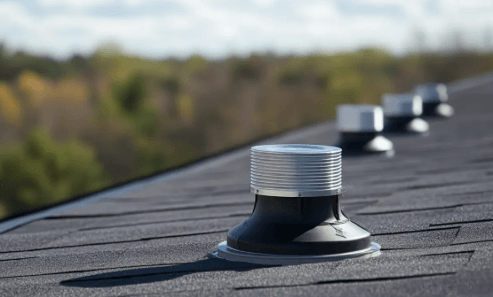
A lot of roof leaks start in places homeowners barely notice. The broad field of shingles gets most of the attention because it is the most visible part of the roof, but many leaks begin where the surface is interrupted. One of the most common weak points is the pipe boot, which seals the opening around a plumbing vent. When that small seal begins to wear out, water can slip into the roof system long before anyone realizes there is a problem. That is why roof repair brigham city often begins with a close look at the areas around vent pipes rather than the shingles alone.
A pipe boot does a simple job, but it has to keep doing it through constant exposure to the weather. It sits around a pipe that comes through the roof and is meant to block water from entering at that opening. The trouble is that the material around the pipe is often rubber, and rubber does not stay flexible forever. After years of sun exposure, temperature swings, and moisture, it can dry out, split, or pull away. Once that happens, even a small gap can let water seep beneath the roofing materials.
Why Pipe Boots Fail So Often
What makes pipe boot failures so common is that they do not usually look dramatic from the ground. A homeowner may not see missing shingles or obvious storm damage. The roof can appear mostly fine while the seal around one vent pipe is already cracked. In many homes, the first clue shows up indoors. A faint ceiling stain, peeling paint, or discoloration near an upper wall may be the first visible sign. By the time that happens, the leak may have been active for longer than expected.
This kind of leak is easy to underestimate because the damaged area on the roof is small. People often assume a small entry point means small damage. In reality, water does not always drip straight down. It can move along the decking, follow framing, and spread into nearby materials before it finally becomes visible inside the house. A worn pipe boot can cause damage to insulation, wood decking, drywall, and even interior paint if left unchecked.
Weather and Age Wear Down the Seal
Pipe boots also fail faster than many homeowners expect because they are constantly under stress. Heat can dry the collar and make it brittle. Cold weather can cause the material to stiffen and crack. Rain and snow keep testing the seal, and seasonal expansion around the pipe can gradually widen weak spots. None of that may seem urgent on a day-to-day basis, but the damage adds up over time. A component that looked fine a year ago can start letting in moisture with very little warning.
Another reason these leaks are so common is that homeowners are usually not looking for them. Most people know to watch for shingles on the ground after a storm or obvious water dripping from a ceiling. Fewer know how to inspect the seals around vent pipes. Because of that, pipe boot damage often worsens in the background. The problem stays quiet until the interior signs become hard to ignore.
Temporary Fixes Often Miss the Real Problem
Many small roof leaks are treated with a quick patch first. Someone adds caulk around the boot, the leak seems to stop, and it feels like the problem is solved. Sometimes that works for a little while, but it does not always hold up. If the boot has cracked or the material around it has started to wear out, that kind of patch is usually buying time rather than fixing anything. The real repair is making sure the area around the pipe is sealed properly.
It is also easy to mistake this kind of leak for something else. A stain on a ceiling near a bathroom, kitchen, or hallway can make it seem like there is a plumbing issue inside the house. In some cases, the water is actually getting in from the roof around the vent pipe and showing up farther away. That is one reason these leaks can drag on. If the source is guessed wrong, the moisture keeps getting in while attention stays on the wrong problem.
See also: Professional Roof Repairs Newcastle: Protect Your Home Today
Early Signs Should Not Be Ignored
Pipe boot damage is usually easier to deal with when it is found early. Replacing a worn boot or fixing the area around it is a much smaller job than repairing wood, insulation, and drywall after a leak has been left alone. The expense usually grows when the problem sits too long. Once water reaches the decking or attic, the repair can spread beyond that one opening.
Small warning signs are often the first clue. A faint ceiling spot, damp insulation, a musty smell, or a stain that comes back after rain can all point to a leak around a vent pipe. From the ground, the roof may still look fine. That is what makes these leaks easy to miss. The damaged area may be small, but the trouble it causes can grow quickly.
A Small Roofing Part Can Cause Major Damage
In the end, pipe boot failures cause so many leaks because they happen at a vulnerable transition point and often go unnoticed until water has already spread. They are small parts of the roof, but they protect openings that cannot be left exposed. When those seals age and crack, the roof loses one of its most important lines of defense. For homeowners trying to avoid bigger repairs, paying attention to these overlooked details can make all the difference. In many cases, timely roof repair brigham city starts with recognizing that the leak is not coming from the middle of the roof at all, but from one worn component around a simple vent pipe.