Choosing a solar generator requires more than comparing numbers on a product sheet. Users must weigh their needs across performance, durability, charging speed, and long-term reliability. Each decision influences how useful the generator becomes in daily life, emergencies, or off-grid situations. People also consider how well a system fits their lifestyle—whether it supports home power stability, outdoor travel, or long-term sustainability goals. The Anker SOLIX F2000 Solar Generator + 400W Solar Panel supports a wide range of these needs by capturing clean energy and delivering strong, stable output. To choose wisely, users must understand the essential trade-offs that determine which system offers lasting value and confidence.
The Most Important Trade-Offs Behind Solar Generator Performance
Balancing Power Capacity With Real Usage Patterns
Users must decide how much stored energy they need to support their routines. A higher capacity gives longer running time, smoother backup performance, and stronger support for power-hungry appliances. Yet people often discover that what matters more is how consistently they can replenish that energy. A system such as the Anker SOLIX F2000 Solar Generator + 400W Solar Panel shows how these factors work together. Its strong output and large storage help users run many home and outdoor devices comfortably. This balance simplifies planning for outages or off-grid work sessions. When choosing a system, users must match capacity not to theoretical maximums but to real-world situations—cooking, refrigeration, lighting, tools, or daily technology use.
Weighing Solar Input Rates Against Charging Flexibility
Solar generators differ significantly in how fast they recharge from sunlight. Users compare solar input levels because higher input means better recovery during short sunlight windows. Fast charging supports travelers, homeowners, and remote workers who cannot wait long for batteries to refill. The Anker SOLIX F2000 Solar Generator + 400W Solar Panel highlights this consideration with its strong solar input that rebuilds energy efficiently when light is available. But users must also weigh how often they rely on sunlight, whether they have good placement conditions, and how their schedules align with charging hours. The right trade-off depends on lifestyle: frequent outdoor users may prioritize speed, while occasional users may focus more on battery endurance.
Choosing Durability to Match Long-Term Demands
Durability defines how long a solar generator remains reliable. Users consider building materials, cooling systems, and internal battery technology. They often view a long lifespan as a crucial trade-off because solar generators serve as emergency tools and outdoor companions. The Anker SOLIX F2000 Solar Generator + 400W Solar Panel supports stability through advanced components, protective design, and long-lasting battery performance. This kind of durability ensures confidence during travel, extended off-grid stays, or unpredictable weather conditions. When comparing options, users weigh the benefits of a tough build against how frequently they expect to transport the system. For long-term planners, reliability often outweighs small differences in size or weight.
The Trade-Offs That Shape Practical Use and Lifestyle Fit
Matching Device Output to Real-World Scenarios
Output power determines what a user can run simultaneously. People evaluate whether a generator supports appliances like microwaves, refrigerators, power tools, or coffee makers. High output keeps life operating smoothly even during outages or remote trips. The Anker SOLIX F2000 Solar Generator + 400W Solar Panel allows users to operate multiple high-demand devices at the same time, which makes it easier to maintain everyday comfort. But users must still weigh their real needs: Are they powering essential appliances only, or supporting full outdoor workstations? The most meaningful trade-off is choosing output levels that reflect actual habits without paying attention only to rare peak demands.
Balancing Portability With Robust Performance
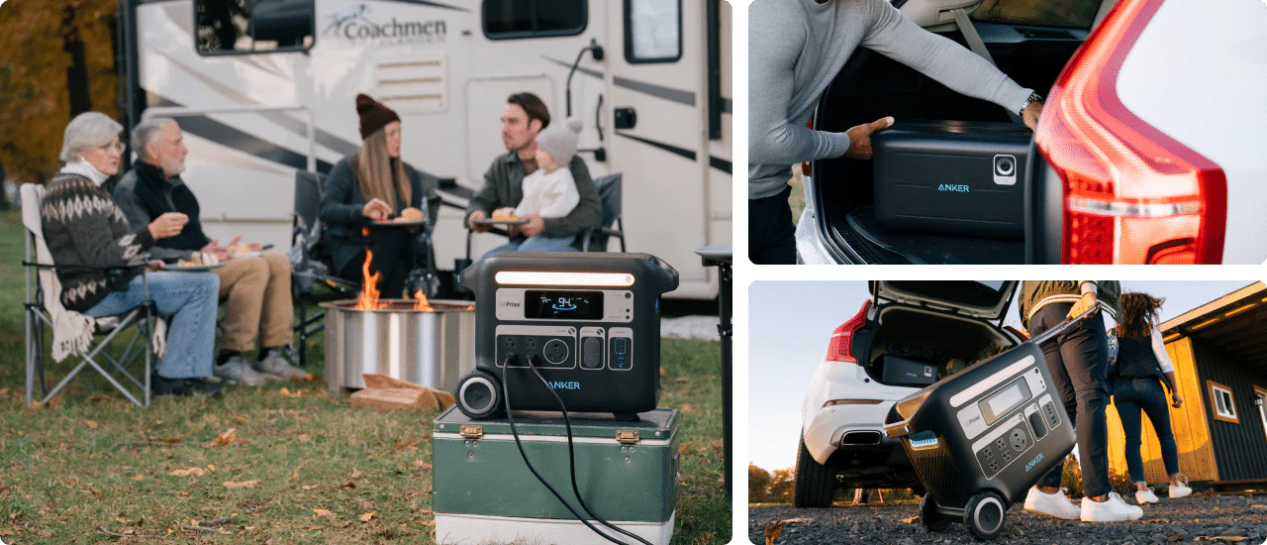
Physical design influences how easily a user can deploy a solar generator. Travelers, campers, and mobile professionals often look for systems that move smoothly and set up quickly. Features such as wheels, handles, and durable construction add practical value. The Anker SOLIX F2000 Solar Generator + 400W Solar Panel provides mobility through tough wheels and an extendable handle, making relocation simple indoors or outdoors. However, users must weigh whether portability or larger capacity matters more for their situation. Some prioritize lightweight travel; others focus on supporting home appliances during long outages. A good trade-off aligns the system with how often and where it will be used.
See also: Incontinence Pants vs Pads for Everyday Use
Considering System Intelligence and User Control
Smart energy management affects efficiency and convenience. Users compare the ability to track battery life, adjust output, and monitor charging. Systems that provide app-based control help users understand their consumption and make better long-term energy decisions. With its Smart App Energy Control, the Anker SOLIX F2000 Solar Generator + 400W Solar Panel supports these habits by offering remote monitoring through WiFi and Bluetooth. But users must determine how much control they want. Some prefer simple plug-and-play operation, while others value detailed data for optimization. This trade-off shapes how actively they manage their power system and how much insight they gain into daily energy flow.
Integrating Solar Generators into a Broader Power Strategy
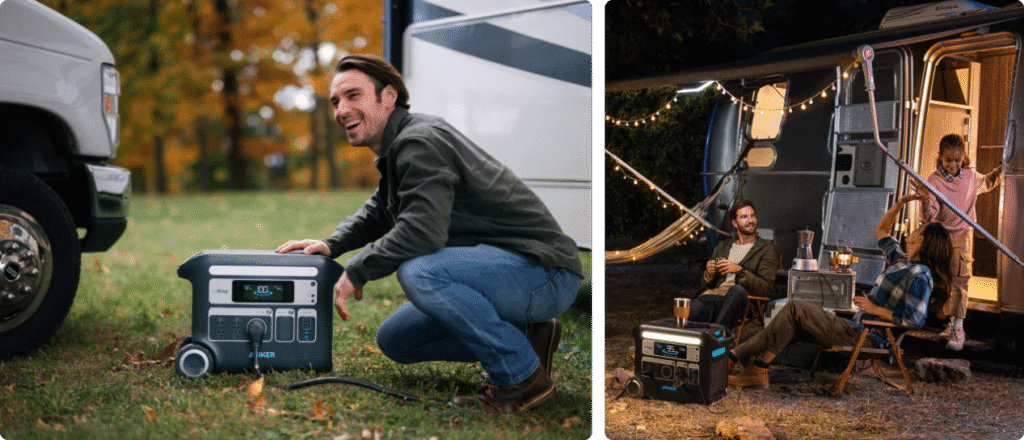
People often view solar generators as part of a layered approach to energy resilience. They combine storage, renewable input, and device management to create stability in emergencies, travel, or home routines. The right trade-off depends on how fully users want to depend on their system. Some build complete off-grid setups. Others use generators for backup or outdoor tasks. Tools like the Anker SOLIX F2000 Solar Generator + 400W Solar Panel support both lightweight and more advanced strategies thanks to their versatility and strong performance. Systems like these help users experiment and eventually choose the energy mix that aligns with their goals, often supported by portable solar generators for extra flexibility.
Conclusion
Solar generators involve meaningful trade-offs that shape long-term satisfaction. Users must choose between capacity and portability, solar input and lifestyle needs, output strength, and everyday practicality. They also evaluate durability, intelligence, and how well the system supports both emergencies and daily routines. The Anker SOLIX F2000 Solar Generator + 400W Solar Panel fits naturally into these considerations by offering reliable performance, clean energy capture, and flexible use across a wide range of scenarios. When users understand these trade-offs clearly, they can select a generator that aligns with their real needs—bringing confidence, stability, and renewable power into their everyday decisions.