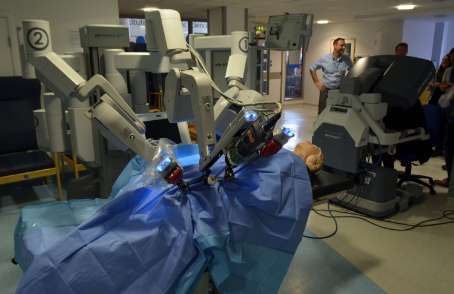
Medical robotics encompasses the integration of robotic systems into healthcare settings, designed to improve precision and efficiency in various medical procedures. This technology includes surgical robots for minimally invasive surgeries and rehabilitation robots for patient mobility enhancement. As these systems evolve, they promise to streamline healthcare processes significantly. Understanding the types, applications, and benefits of medical robotics reveals a transformative potential that could redefine patient care approaches. What implications might these advancements hold for the future of medicine?
Types of Medical Robots
As the field of medicine continues to evolve, various types of medical robots have emerged, each designed to enhance specific aspects of patient care and surgical procedures.
Surgical robots facilitate minimally invasive operations, improving precision and recovery times.
In contrast, rehabilitation robots support patients in regaining mobility and strength post-injury, utilizing advanced technologies to tailor exercises and monitor progress effectively.
Applications in Healthcare
Medical robots have revolutionized various applications in healthcare, enhancing both efficiency and patient outcomes.
Their use in surgical assistance allows for precision and minimally invasive procedures, reducing recovery times.
Furthermore, rehabilitation technologies provide tailored therapy, improving mobility and function for patients.
These advancements exemplify a significant shift towards integrating robotics in medical practices, ultimately fostering a more effective healthcare environment.
Benefits of Medical Robotics
While healthcare professionals increasingly adopt medical robotics, the benefits of these technologies extend far beyond mere convenience.
Enhanced surgical precision significantly reduces the risk of complications, ensuring better patient outcomes.
Additionally, the integration of robotic systems can lead to cost efficiency through decreased hospital stays and minimized resource utilization.
Future Trends in Medical Robotics
With the rapid advancements in technology, the future of medical robotics is poised for transformative growth.
Innovations in autonomous surgery are expected to enhance precision and reduce recovery times, while advancements in robotic rehabilitation will provide patients with personalized therapy options.
These trends promise to revolutionize patient care, offering improved outcomes and greater autonomy in medical procedures, ultimately enhancing the patient experience.
Conclusion
In summary, medical robotics represents a transformative technology that significantly enhances surgical precision and patient care. With diverse applications and undeniable advantages, these advanced systems are shaping the future of healthcare. As innovations continue to unfold, the potential for improved procedures and patient experiences grows. Ultimately, the promising progression of medical robotics will pave the path for a more efficient, effective, and empathetic healthcare environment, fundamentally altering the landscape of modern medicine.