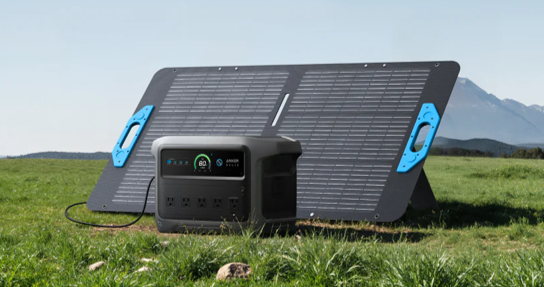
A solar generator replaces fuel backup when it consistently meets real household demands without relying on fuel storage, noise-producing engines, or routine maintenance. Users begin to make this transition when they realize their actual energy needs are smaller than expected, or when they value clean, predictable, on-demand power more than long-term fuel management. The shift also happens when solar generators provide fast recharging, stable output, and dependable off-grid operation during outages. A setup like the Anker SOLIX C1000 Gen 2 paired with a 100W PS100 solar panel and water-resistant bag illustrates how modern solar systems have evolved into reliable substitutes for traditional gasoline generators.
How Solar Generators Meet Performance Expectations Traditionally Reserved for Fuel Backup
Output Consistency Supports a Wide Range of Household Essentials
Fuel generators were traditionally favored for their immediate high-wattage performance. However, many households only need to support essential devices such as lights, routers, laptops, phones, fans, and small appliances during outages. Solar generators meet these needs with clean, steady power—without the fumes or engine fluctuations typical of fuel units. With 2,000W output and 3,000W peak, the C1000 Gen 2 supports up to 10 devices at once. This capacity covers common emergency loads and gives users a dependable alternative. Once people see how often they actually use modest power levels, they begin to trust solar as a primary backup instead of a supplementary one.
Fast Recharge Options Reduce Downtime Between Outages
One reason people rely on fuel backup is the ability to refill quickly. Solar generators now bridge this gap through rapid AC charging and efficient panel input. The C1000 Gen 2 recharges in 49 minutes with HyperFlash AC input, offering near-immediate recovery. This matters during storm seasons, rolling blackouts, or temporary grid failures. The ability to restore full capacity quickly gives users confidence to operate without fuel storage. Meanwhile, solar recharging through the PS100 allows renewable, daily replenishment when the power stays out longer. These capabilities shift solar generators from reactive tools into continuous, ready-to-use home energy sources.
Automatic Switchover Enhances Reliability During Grid Failures
Traditional fuel generators require manual startup. In contrast, solar generators with UPS support switch to stored energy automatically when the grid drops. The C1000 Gen 2 activates backup power in as little as 10 ms, keeping routers, medical devices, or work equipment running without interruption. This stability dramatically improves user experience during nighttime outages or critical activities. Reliability becomes a deciding factor when users compare the seamless performance of solar generators with the manual process and downtime of fuel-based systems. Households that experience frequent small outages find solar replacement especially appealing.
Why Long-Term Convenience Drives the Transition Away from Fuel Generators
Users Prefer Quiet, Clean Power That Works Indoors and Outdoors
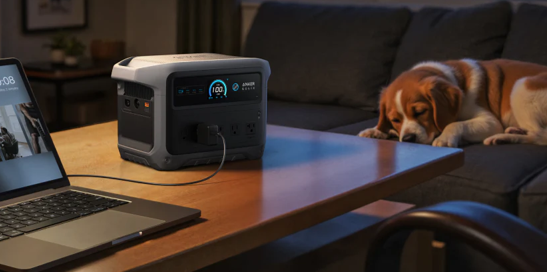
Fuel generators are loud and must stay outdoors due to fumes. Solar generators eliminate both issues. They operate silently and safely indoors, giving users greater flexibility during storms, winter outages, or nighttime emergencies. The compact design of the C1000 Gen 2, combined with the protective bag, lets users move the generator easily from room to room or take it outdoors for camping or work projects. This indoor-outdoor flexibility is one of the biggest reasons many households are replacing fuel backup altogether. Convenience reduces friction—and the simpler a system is to use, the more often people rely on it.
See also: Medical Technology Innovations
Renewable Recharging Solves the Problem of Fuel Storage
Fuel storage has always been a pain point: stabilizers, expiration dates, ventilation, and safety concerns make gasoline maintenance inconvenient. Solar recharging eliminates all of these burdens. With the PS100 panel’s up to 23% conversion efficiency and IP67 waterproof rating, users can rely on renewable energy whenever the sun is available. Once households realize they no longer need to stockpile fuel, run engines periodically, or worry about shortages during disaster seasons, they begin treating their solar generator for house as the default backup solution. Clean energy becomes a long-term advantage rather than a novelty.
Longevity and Cycle Life Make Solar Systems More Cost-Efficient
Fuel generators incur maintenance costs, fuel expenses, and engine wear over time. Modern solar generators offer long-term performance with minimal upkeep. The C1000 Gen 2 provides at least 80% capacity after 4,000 cycles, delivering reliable output for many years. Because the battery and components require almost no maintenance, households spend less time and money keeping their backup operational. This long-term durability makes solar a practical investment, especially for homes that experience frequent outages or use portable power for camping, tailgating, or outdoor work. As cost-effectiveness improves, solar becomes the default choice, and fuel backup is relegated to special cases.
Conclusion
A solar generator replaces fuel backup when it delivers reliable, fast, and flexible power for household needs without the burdens of fuel storage, noise, or maintenance. Solar becomes the preferred option once users experience stable output, rapid AC and solar recharging, seamless UPS activation, and long-term durability. The Anker SOLIX C1000 Gen 2 paired with the PS100 solar panel demonstrates how modern systems outperform expectations and offer practical resilience for both daily use and emergency situations. For many households, a solar generator for the house becomes not a backup to fuel, but an alternative that is cleaner, easier, and more dependable across long-term use.