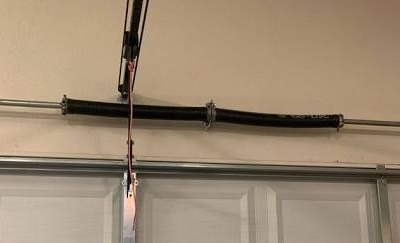
Your garage door is likely the largest and heaviest moving object in your home. Weighing anywhere from 150 to over 300 pounds, it relies on a delicate system of counterweights, springs, and cables to open and close smoothly. When this system is properly balanced, the door feels practically weightless. However, when a door loses its balance, it places immense strain on every component, leading to premature wear and expensive emergency repairs.
What Does a Balanced Garage Door Mean?
A balanced garage door has its weight evenly distributed across its spring system. The springs—not the electric opener—do the heavy lifting. When properly calibrated, the tension in the springs counteracts the gravitational force pulling the door down.
In a balanced setup, you should be able to disconnect the automatic opener and lift the door manually with minimal effort using just one hand. Furthermore, if you open the door halfway and let go, it should stay hovering in place rather than slamming shut or snapping upward.
See also: thelowdownunder
The Hidden Costs of an Unbalanced Door
Operating an unbalanced garage door creates a domino effect of mechanical failures throughout the entire assembly.
- Premature Opener Burnout: Electric openers are designed to push and pull a balanced load, not lift dead weight. An unbalanced door forces the motor to drag hundreds of pounds, burning out gears and requiring total replacement far sooner than expected.
- Snapped Springs and Cables: When tension is uneven, one spring carries significantly more load than the other. This extra stress causes spring steel to fatigue rapidly, leading to sudden snaps that can snap lifting cables and leave your car trapped inside.
- Worn Rollers and Bent Tracks: Off-balance weight drags the door down sideways. As the door moves at a crooked angle, rollers grind against the track walls, wearing out bearings and warping metal tracks over time.
How to Test Your Door’s Balance
Testing your door takes under two minutes. Close the door, pull the red emergency release cord to disconnect the automatic opener, and manually lift the door about three feet off the ground. If it holds its position, your door is balanced. If it falls or rolls up on its own, the spring tension needs professional adjustment. Checking this simple balance twice a year protects your investment and spares you from unexpected repair bills.
This article was written by a professional at 1 Stop Garage Doors. 1 Stop Garage Doors proudly serves homeowners and businesses with top-quality garage door installations and repairs. We install premium doors and openers from trusted brands, ensuring reliability and customer satisfaction. Our expert team provides cost-effective solutions, arriving with fully stocked trucks to handle repairs on the spot, including torsion spring replacements, drum and roller fixes, and general maintenance to keep your garage door functioning smoothly. Click here for more information.
The information provided on this website does not, and is not intended to, constitute legal advice; all information, content, and materials available on this site are for general informational purposes only.