Moisture management is a fundamental requirement in plastic processing industries where raw materials must be prepared under precise conditions. Many plastic resins are hygroscopic, meaning they naturally absorb moisture from the surrounding environment. If this moisture is not removed before processing, it can lead to defects, reduced strength, and inconsistent product quality. This is why advanced Resin dryers are critical for ensuring reliable and efficient production.
Resin drying is not just a preparatory step but a key process that determines the outcome of manufacturing operations. When resins are properly dried, they melt and flow uniformly during processing, which leads to better molding and finishing results. Without adequate drying, even high-quality raw materials can produce substandard products.
Modern resin dryers are designed to create controlled environments where temperature, airflow, and humidity are carefully regulated. This ensures that moisture is removed effectively without damaging the material. By maintaining optimal drying conditions, manufacturers can achieve consistent performance and high-quality output.
What Problems Occur When Resin Is Not Properly Dried
Defects and Material Degradation
Moisture present in resin can cause a range of defects in the final product. These include surface imperfections, bubbles, and internal voids that weaken the structure of the material. Such defects not only affect the appearance of the product but also reduce its durability and performance.
In addition to visible defects, moisture can lead to chemical degradation during processing. This results in reduced mechanical properties, making the product unsuitable for demanding applications. Proper resin drying eliminates these risks and ensures that materials perform as intended.
Inconsistent Processing and Increased Waste
Improperly dried resin can disrupt the manufacturing process by causing irregular melting and flow. This leads to inconsistencies in production, increased rejection rates, and higher material waste. These inefficiencies can significantly impact overall productivity and profitability.
Maintaining consistent drying conditions helps stabilize the process, allowing manufacturers to achieve predictable results. This reduces waste and improves operational efficiency.
How Resin Dryers Work
Controlled Drying Technology
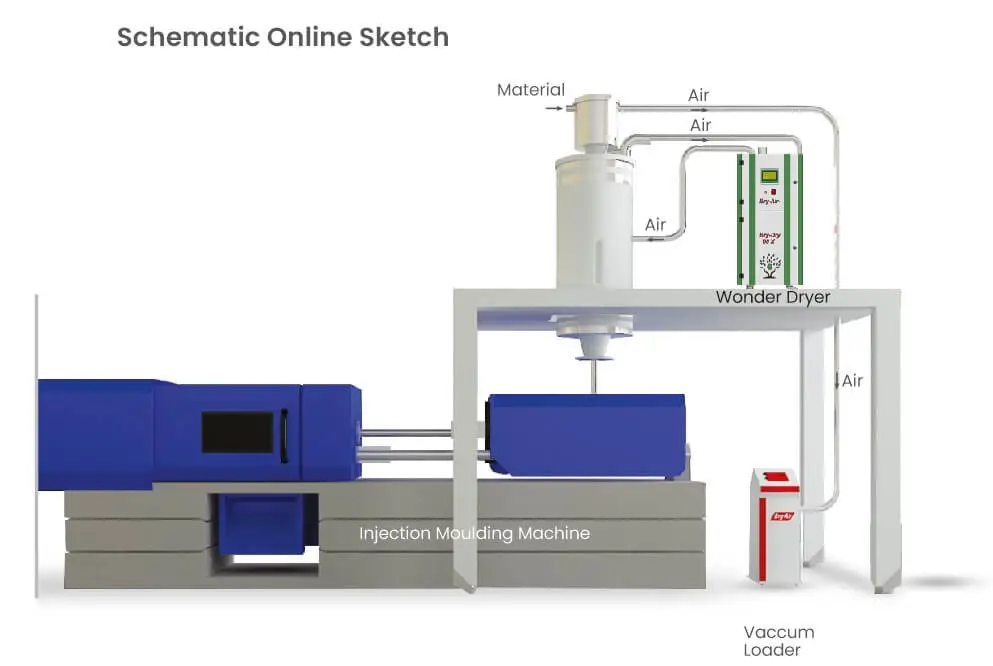
Resin dryers use advanced drying technologies to remove moisture from plastic materials. These systems typically rely on controlled heat and airflow to extract moisture without compromising the integrity of the resin. The drying process is carefully monitored to ensure optimal results.
Air is circulated through the resin material, allowing moisture to evaporate and be removed from the system. The process is continuous, ensuring that materials are consistently dried to the required level before being used in production.
To further enhance accuracy and control, manufacturers often integrate tools such as a moisture analyzer to monitor moisture levels in real time. This ensures that the drying process meets precise specifications and maintains consistent quality.
Continuous Operation and Efficiency
Resin dryers are designed for continuous operation in industrial environments. They can handle large volumes of material while maintaining stable performance. This makes them suitable for high-demand production settings where efficiency is critical.
Energy efficiency is another important feature of modern systems. Advanced designs ensure that drying is performed effectively while minimizing energy consumption, making them cost-effective for long-term use.
Benefits of Using Resin Dryers
Improved Product Quality
Properly dried resin results in high-quality products with better surface finish and structural integrity. Eliminating moisture-related defects ensures that products meet industry standards and perform reliably in their intended applications.
Consistent quality is essential for maintaining customer satisfaction and building a strong reputation in competitive markets.
Enhanced Production Efficiency
Resin dryers contribute to smoother and more efficient production processes. When materials are dried correctly, machines operate more consistently, reducing the likelihood of interruptions and errors. This leads to higher productivity and better utilization of resources.
Stable processing conditions also improve accuracy, allowing manufacturers to achieve precise results with minimal effort.
Cost Savings and Reduced Waste
By preventing defects and improving efficiency, resin dryers help reduce material waste and operational costs. Fewer rejected products mean better resource utilization and increased profitability.
Energy-efficient systems further contribute to cost savings by reducing power consumption. This makes resin dryers a sustainable investment for modern manufacturing facilities.
Applications of Resin Dryers in Various Industries
Injection Molding and Extrusion
Injection molding and extrusion processes require precise moisture control to ensure high-quality output. Resin dryers play a crucial role in preparing materials for these processes, ensuring consistent melting and flow.
Proper drying helps achieve accurate molding and uniform extrusion, resulting in high-performance products.
Automotive and Electronics Manufacturing
Industries such as automotive and electronics rely on high-quality plastic components that must meet strict performance standards. Resin dryers ensure that materials are free from moisture, enabling the production of reliable and durable components.
Controlled drying conditions support the manufacturing of complex parts that require precision and consistency.
Packaging and Consumer Products
Plastic materials used in packaging and consumer goods must maintain their integrity and appearance. Resin dryers help ensure that these materials are processed under optimal conditions, resulting in high-quality products.
Consistent drying also supports large-scale production, making it suitable for industries with high demand.
Key Factors to Consider When Choosing Resin Dryers
Drying Capacity and Material Compatibility
Selecting the right resin dryer depends on the type and volume of material being processed. Different resins have varying moisture absorption characteristics, which require specific drying conditions.
Choosing a system that matches the production requirements ensures optimal performance and efficiency.
Energy Efficiency and Sustainability
Energy-efficient systems help reduce operational costs while minimizing environmental impact. Advanced resin dryers are designed to deliver high performance with lower energy consumption, supporting sustainability goals.
Investing in efficient technology ensures long-term benefits and cost savings.
Maintenance and Reliability
A reliable resin dryer should be easy to maintain and capable of continuous operation. Regular maintenance ensures consistent performance and extends the lifespan of the equipment.
Systems that are designed for easy servicing help reduce downtime and improve overall productivity.
Conclusion
Resin dryers are an essential component of modern plastic processing, providing the moisture control necessary for high-quality and efficient production. By removing moisture from raw materials, they help prevent defects, improve product performance, and enhance operational efficiency. Advanced drying systems offer reliable performance, energy efficiency, and long-term cost savings, making them a valuable investment for manufacturing facilities.
As industries continue to demand higher quality standards and greater efficiency, the importance of proper resin drying becomes increasingly significant. Implementing the right drying solution ensures consistent results and supports the overall success of manufacturing operations.
For businesses looking to optimize their production processes and achieve better outcomes, selecting the right equipment is crucial. To explore suitable solutions and receive expert assistance, visit the Contact Us page and connect with professionals who can guide you in choosing the best system for your needs.